
Writing
How things were built
Case studies on the problem behind each project and the decisions that shaped it.
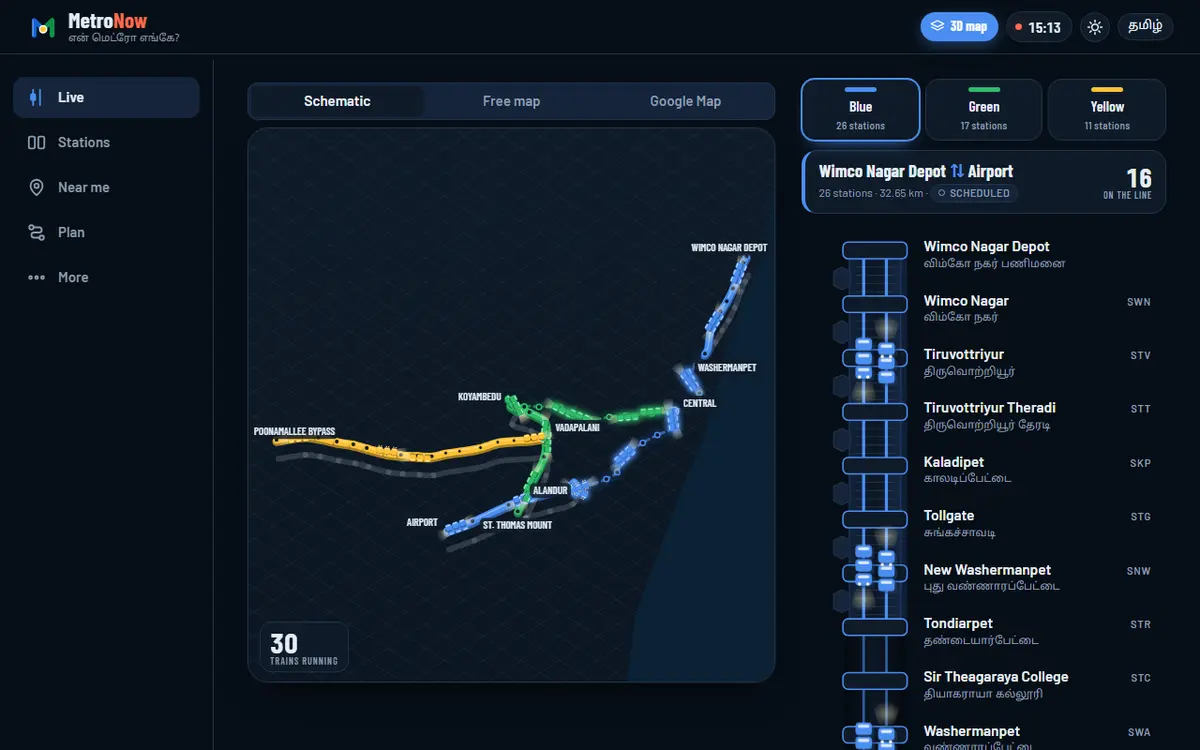 Case studyMetroNow Chennailive train tracking for Chennai MetroChennai Metro publishes no real-time data feed, so every app, including the official one, shows only scheduled timings. A passenger can't see where the next train actually is, and a train missed by a minute costs the full gap: 3 to 7 minutes on the Blue Line at peak, 12 to 14 minutes between Alandur and St. Thomas Mount, and up to 15 to 30 minutes after 10 pm.
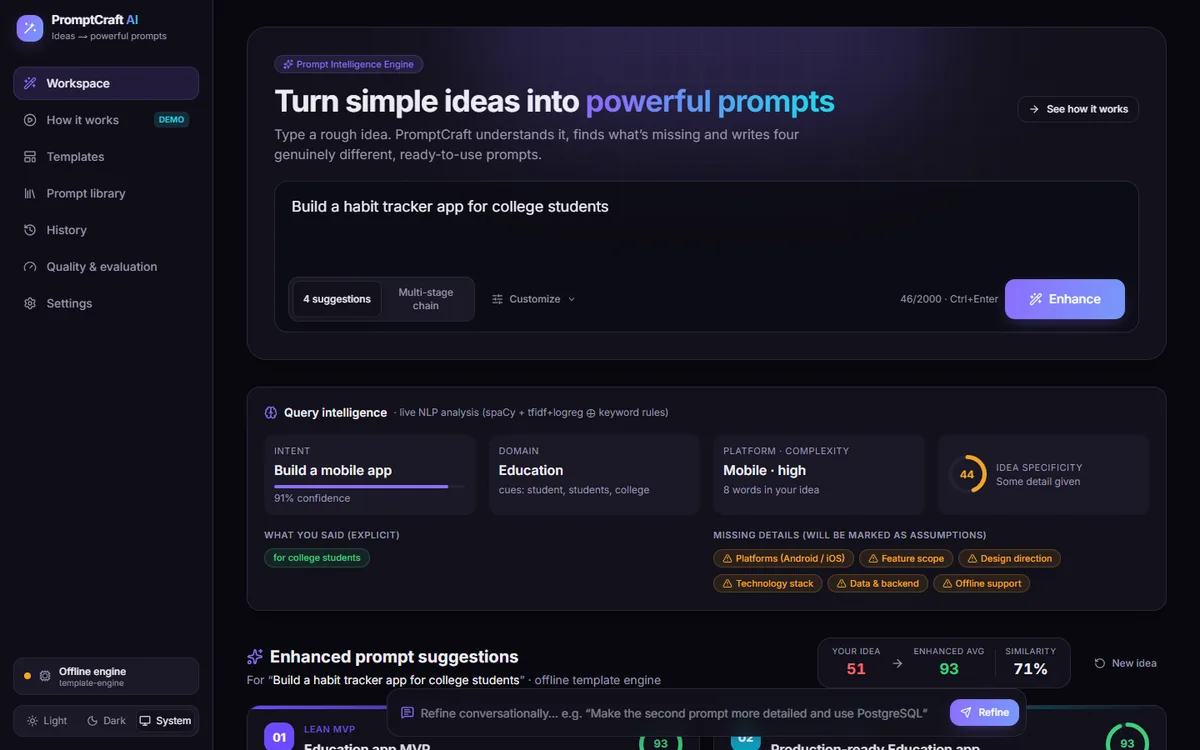 Case studyPromptCraft AIturns rough ideas into ready-to-use promptsMost people ask an AI tool for something in one vague line, like "make an e-commerce website", and get a generic answer back. The details that make a prompt useful (platform, scope, stack, design, constraints) are missing, and people don't know what they left out.
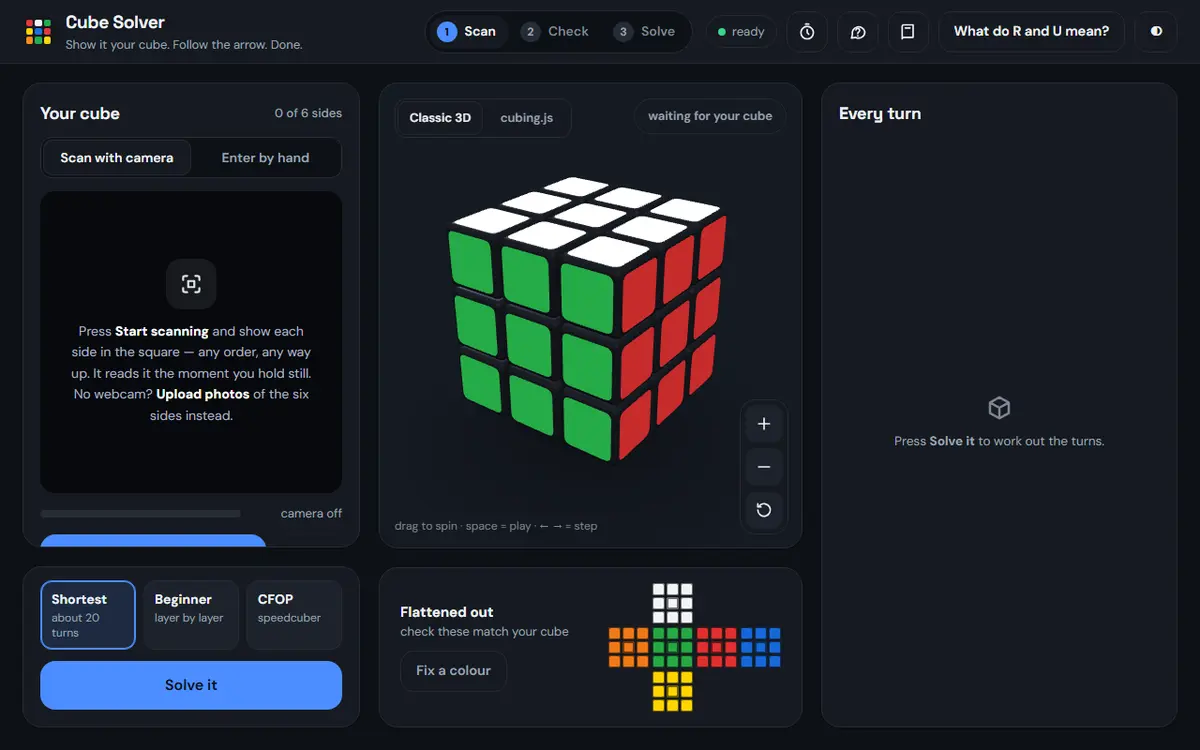 Case studyCube Solvercamera-based Rubik's cube solverMost solvers expect you to type in all 54 stickers and already know cube notation like R U R' U'. The goal was a solver for someone who has never solved a cube: show it the cube, then follow the arrows.
- Case studyiTantraoffline voice messaging over narrow linksCarry voice between people, fully offline, over links too narrow to carry audio. A compressed voice note is around 7,500 bytes, which is the difference between a message that arrives and one that does not.
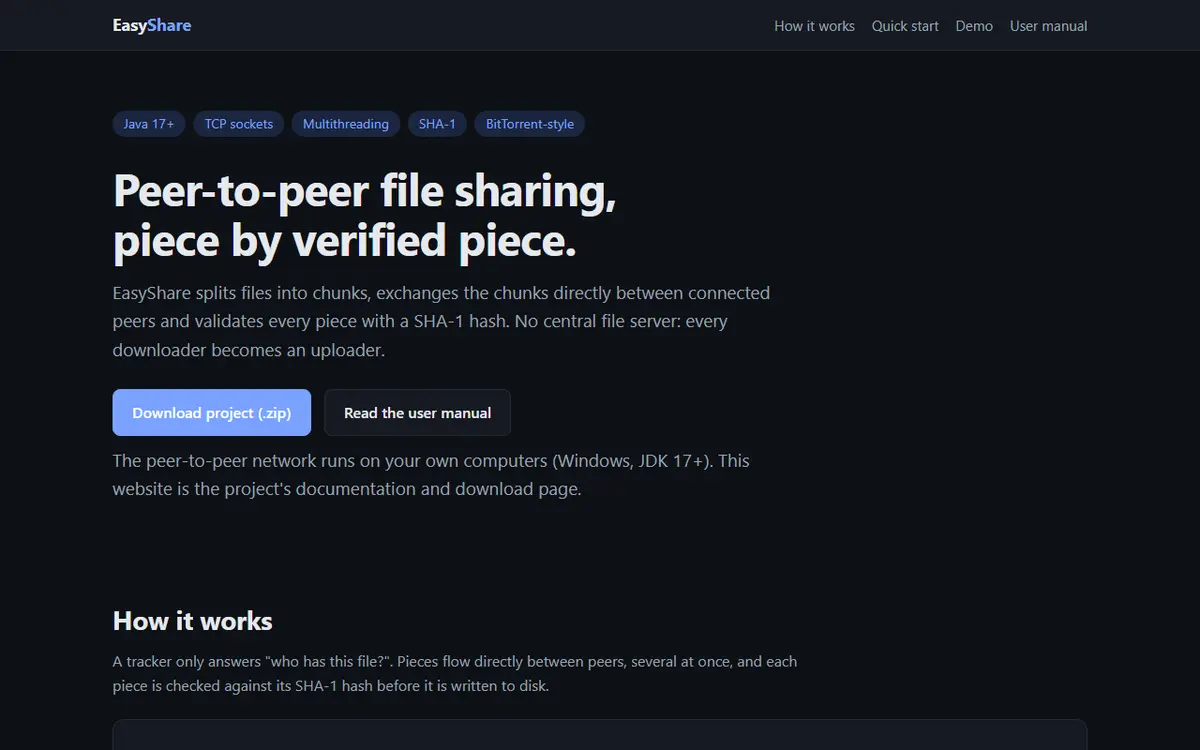 Case studyEasySharepeer-to-peer file sharing in JavaMove files between computers with no central file server, and prove that every byte that arrives is the byte that was sent.
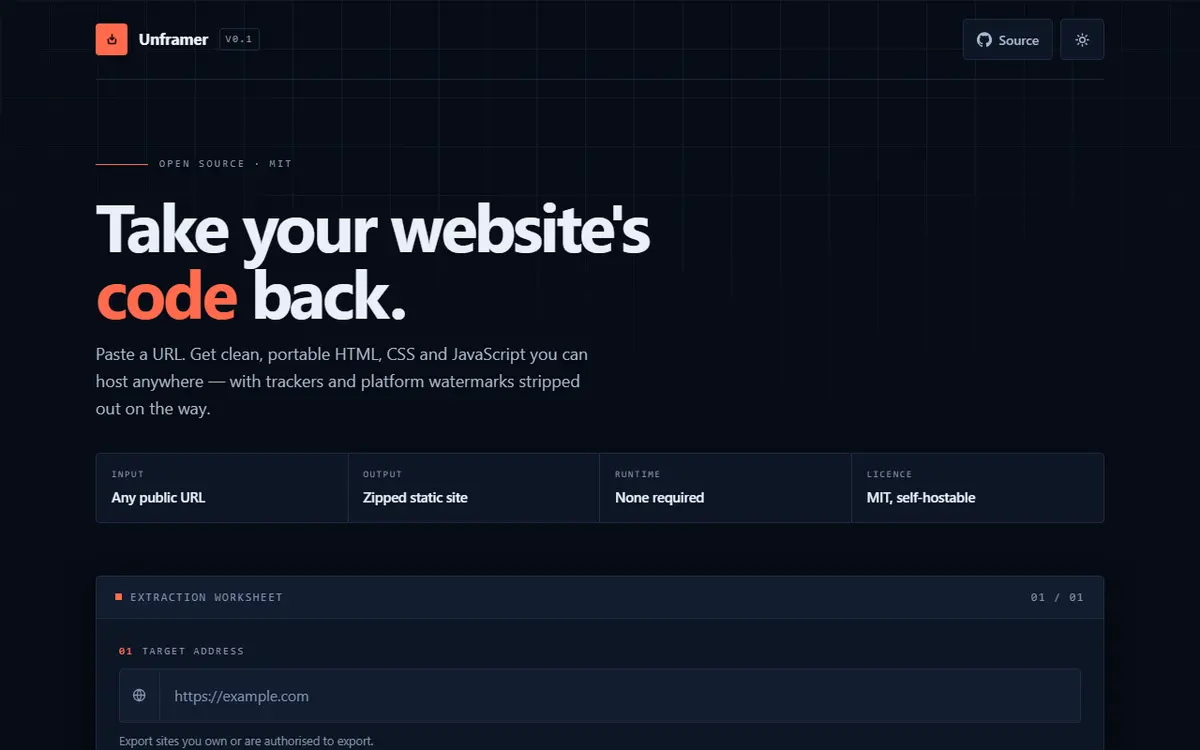 Case studyUnframerexport Framer sites to portable HTMLFramer sites can only live on Framer. The served HTML is already complete, so a static copy should be possible, as long as the animations survive once the runtime is gone.
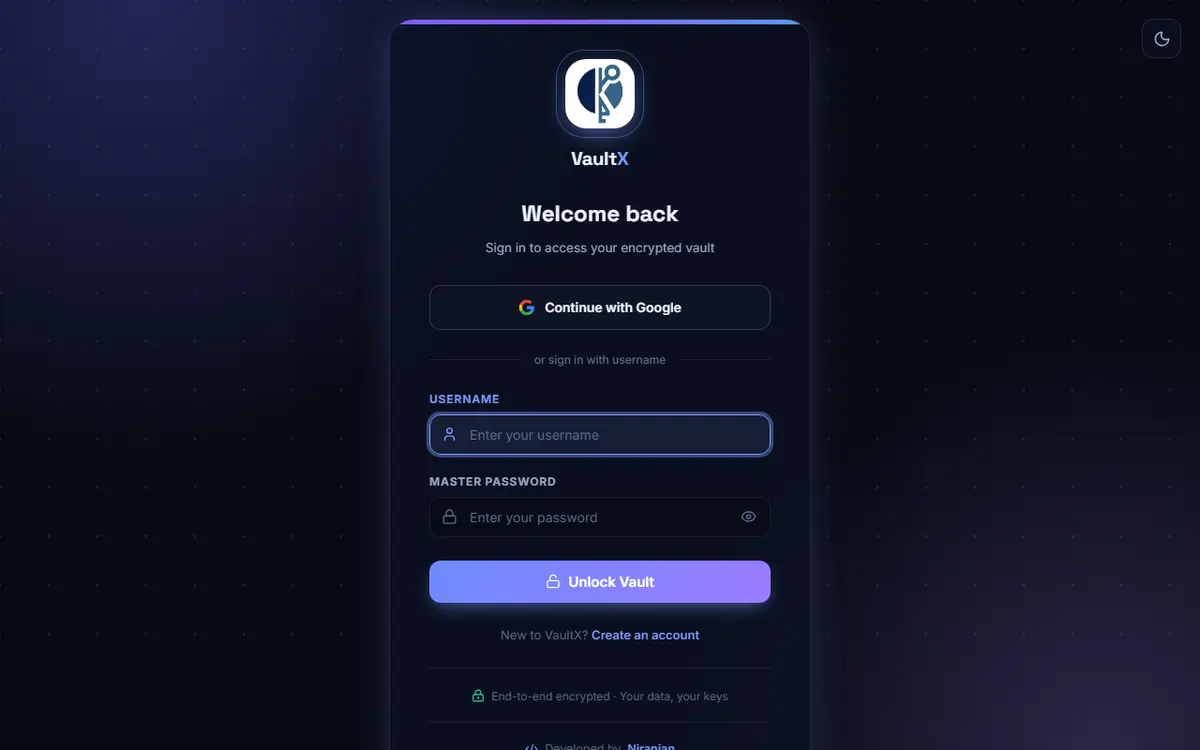 Case studyVaultXencrypted password managerPasswords tend to end up in notes apps, spreadsheets and browser autofill, readable by anyone who gets hold of the file or the database behind it. VaultX keeps them in one place and encrypts each one before it is written, so a copy of the database on its own reveals none of your passwords. It also holds private notes and small sheets, and records which accounts are reached through Google sign-in rather than a password.
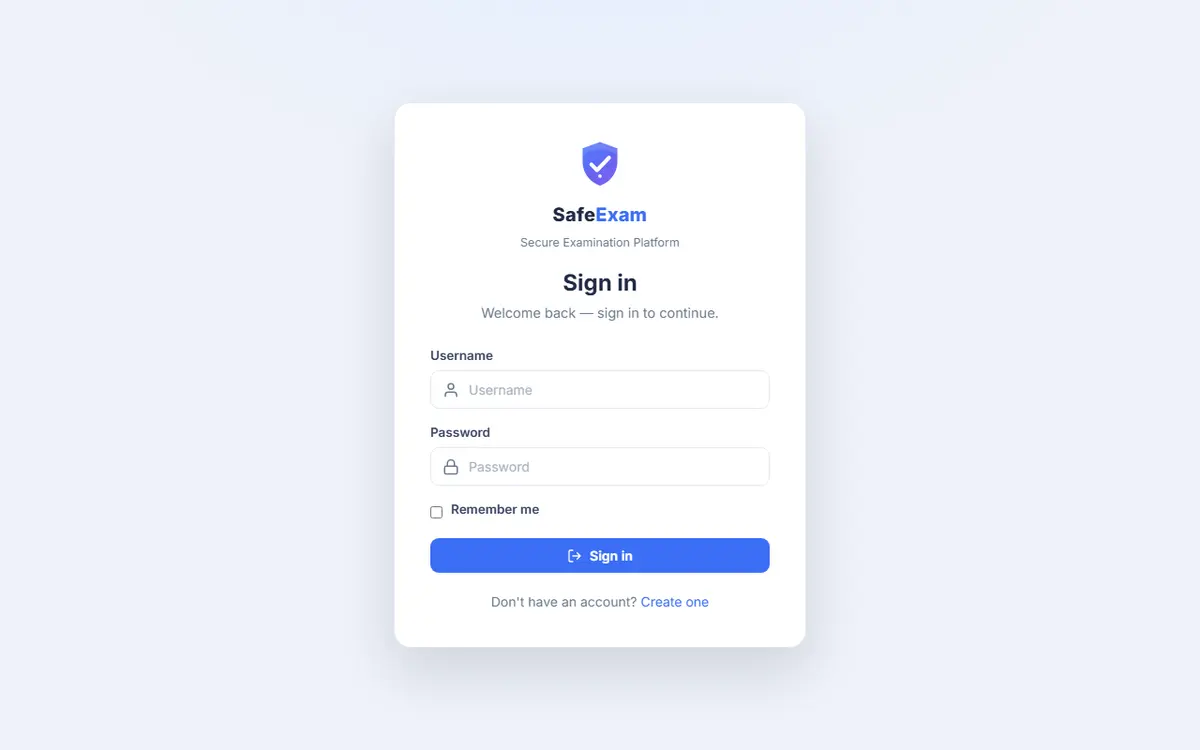 Case studySafeExamproctored online exam platformOnline exams are easy to game: switch to another tab, refresh the page to reset the clock, or tamper with the browser so warnings never fire. SafeExam assumes candidates will try, so the rules that decide the outcome (time left, violation limits, lockouts) are enforced on the server, and proctors can watch each candidate's screen and webcam while the exam runs.
- Case studyNEXATMARTvoice-driven grocery shoppingOnline grocery stores are built around scanning pages and clicking small buttons, which shuts out blind and partially sighted customers. NEXATMART lets you shop by speaking: say what you want and the store finds it, reads back the price, adds it to your basket and takes you through checkout.
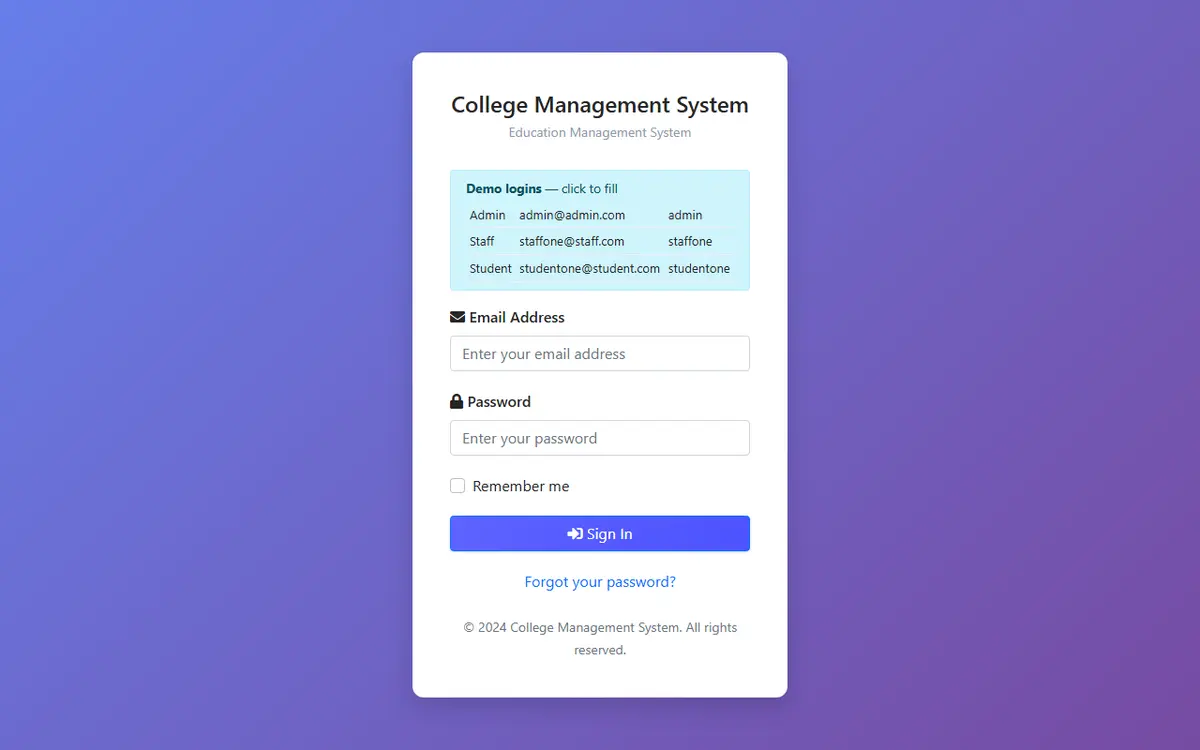 Case studyCollege ERPmulti-role campus managementA college department usually tracks attendance, marks, leave and library loans across paper registers, spreadsheets and messages, with no single view and no control over who can see what. This system puts them in one place with separate logins for the head of department, teaching staff and students, so each person sees and changes only what their role allows.
 Case studyNookprivate real-time messengerMainstream messengers have turned into feeds, with stories, suggested contacts and strangers able to reach you. Nook is a messenger for the small group of people you actually talk to: text, voice notes, snaps, disappearing messages and voice or video calls, with no feed and nobody you haven't accepted.